
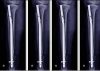

Reselute is a medtech company based in Durham, North Carolina, specializing in innovative solutions to address complex musculoskeletal infection complications often associated with orthopedic surgeries. Their approach involves integrating advanced biomaterials with targeted drug delivery systems and is creating devices that enable localized and sustained antibiotic delivery to treat conditions such as periprosthetic joint infections (PJI) and fracture-related infections. Reselute’s lead indication comprises orthopedic spacers and intramedullary nails designed to deliver antibiotics directly to infection sites with the aim to reduce systemic side effects associated with traditional antibiotic therapies for a solution that meets the clinical need for effective treatments of infections following orthopedic surgeries. Reselute’s technology aims to transform the standard-of-care of using current metallic plates, screws, and nail implants that frequently become colonized by bacteria.
Scientific Platform: Localized Drug Delivery Meets Load-Bearing Polymer Design
The company’s proprietary technology, developed from research conducted at Duke University’s Gall Lab, involves an antibiotic reservoir designed to provide structural support for full weight-bearing while offering sustained antibacterial protection. Reselute is built around a unique platform for resorbable implants that are mechanically robust, bioactive, and biocompatible. These implants are designed to degrade in the body over time, eliminating the need for surgical removal and reducing the risk of long-term complications. The company’s initial focus was on trauma applications as an opportunity to standardize effective infection treatment, but this unmet need also spans across orthopedics and sports medicine markets. The system is poised to overcome current challenges with open fractures that jeopardize the integrity of wound and tissue healing. Unlike many bioresorbable implants that lack sufficient mechanical strength, Reselute’s platform focuses on tunable degradation rates aligned with tissue healing timelines and high-modulus materials with compressive and tensile strength (comparable to cortical bone). This technology advances the biocompatible 3D printed photoresin embedded within their implants to also elute commercially available antibiotic which results in better recovery outcomes, ultimately reducing overall medical care cost.
The tibial fracture intramedullary nail market opportunity is nearly $200M1 in the US for just the hardware segment alone. Competitors in this specialized field of orthopedic infection treatment technology and hardware include companies that develop injectable bio-ceramic bone graft substitutes for the treatment of bone infections, and global leaders in musculoskeletal healthcare that offer a range of orthopedic products with solutions for infection management in their portfolios. Reselute’s off-the-shelf technology, Reselution TM Tibial Nail, offers a compelling combination of mechanical stability and site-specific drug delivery against both gram positive and gram negative organisms and sets a new standard in the treatment of post-surgical orthopedic infections with the promise of additional pipeline indications in other intramedullary spaces capturing a total $1B market in the US.
Executive Leadership: Cambre Kelly, Ph.D.
Dr. Cambre Kelly serves as the Co-Founder and Chief Executive Officer of Reselute. She is a biomedical engineer and medical device entrepreneur with extensive experience in additive manufacturing and orthopedic product development. She developed a passion for translating research-based technologies into commercial products and earned her Ph.D. in biomedical engineering at Duke University, where she focused on advancing metal 3D printing using one of the first laser powder bed fusion systems in the U.S and cofounded restor3d in 2017 where she served as the company’s Chief Technology Officer. While working at restor3d, another gap in care was realized – the high rate of infection in orthopedics. “That’s actually one of the common failure modes for a total knee replacement,” Kelly said. “Something like 4% fail from infection.” In 2021, she helped launch Reselute and took over as CEO to focus on developing treatments for orthopedic-related infections.
Fueled by non-dilutive SBIR/STTR grants, early venture support from Duke Capital Partners, and collaborations with academic and clinical stakeholders, Reselute is progressing through its development pipeline, currently undergoing preclinical evaluation. In 2022, the FDA granted Reselute Breakthrough Device Designation and future milestones include targeting regulatory submissions with First-in-Human (FIH) trials with METRC and Shock Trauma at 20 large consortium trauma sites in the country. Upon successful completion of these activities the company anticipates commercial readiness in 2029.
1 Source: SmartTRAK Business Intelligence OM9 FY 2025
Tags: #Orthopedics #BiotechStartup #AntibioticDelivery #InfectionTreatment #MedicalDevices #MusculoskeletalHealth #BiomedicalEngineering #DukeUniversityResearch #HealthcareInnovation #CambreKelly #Reselute
